How we teach Reading and Phonics
Teaching of Reading
Becoming a fluent, skilled and attentive reader starts at the earliest stages, before children encounter a book for the first time, partly driven by the quality of their parents' talk with them that expands their vocabulary. (DFE, 2021)
Children begin learning to read long before school but we continue that from their very first day with us, through:
- an expansion of their vocabulary,
- opportunities to talk,
- sharing of quality stories and texts,
- the teaching of phonics
- the teaching of guided reading and book talk
.We teach children the skills they will need to be able to read and understand books but also to develop a life-long love of reading for pleasure.
All talk is useful, especially when directed to the child specifically. For instance, children expand their language and vocabulary when they listen to or join in with a story or rhymes in a well-scripted children’s television programme, but an adult talking about it with them adds benefits. However, talk about books brings particular advantages. (DFE, 2021)
Teaching of Phonics - Unlocking Letters and Sounds

Phonics is embedded within our curriculum and all of the learning environments in school. It is also taught directly and explicitly using Unlocking Letters & Sounds which is a DFE validated systematic synthetic phonics programme that works for our children.
Alongside a programme of daily quality teaching we carefully select reading books that allow children to practise their current knowledge and apply their phonics to reading and building fluency. Children also take home a sharing book each week.
This is the structure used to teach phonics in school:
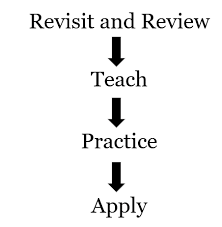
The Pdf file below includes more information for parents and carers regarding how we teach phonics and early reading.

|
uls-parent | [pdf 3MB] |

|
 |
ULS Phase 2 Action Video |
| A useful video for parents and carers to support learning at home. | |
|
ULS Phase 3 action video |
| A useful video for parents and carers to support learning at home. |